About Renee

Hi, I'm Renee.

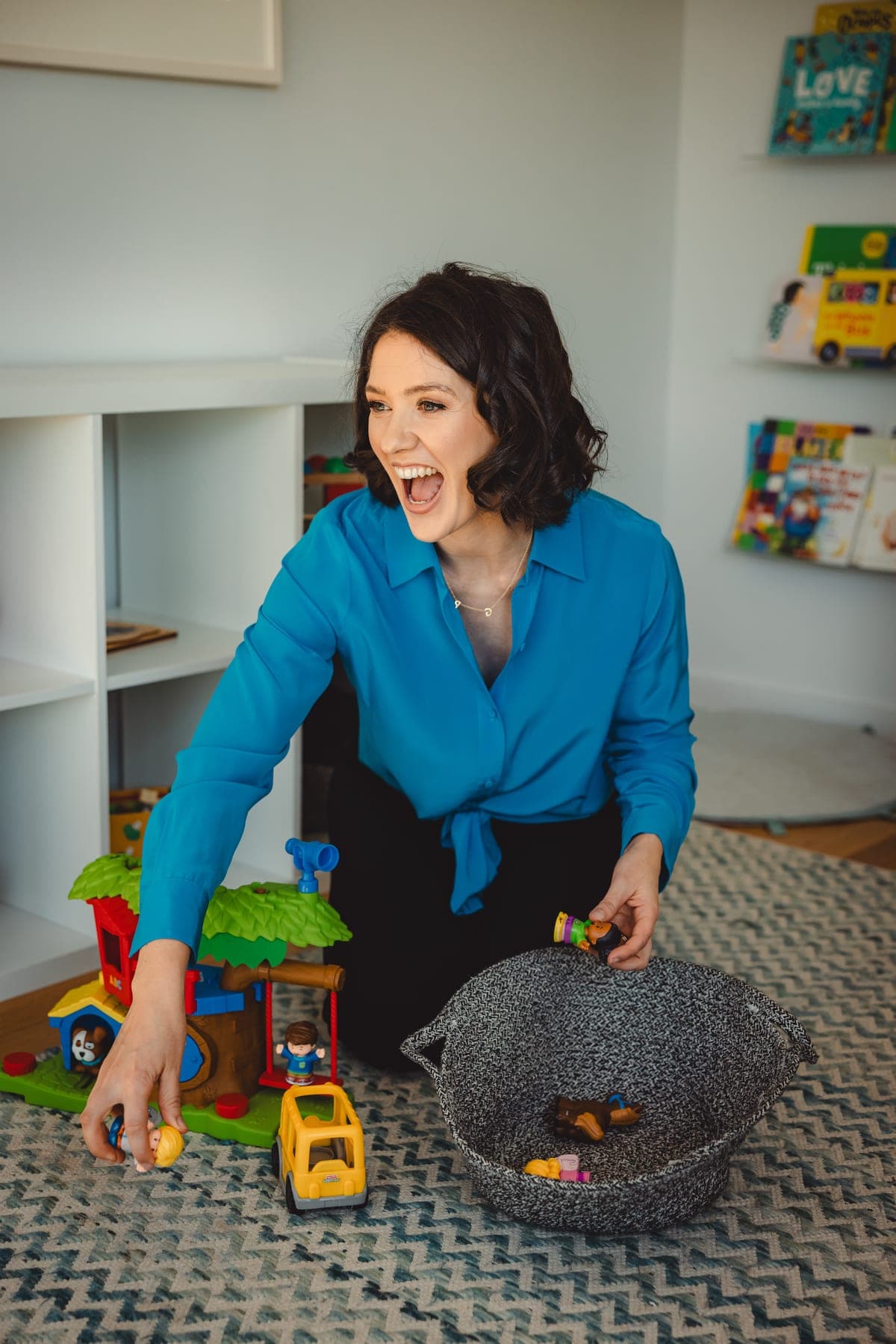
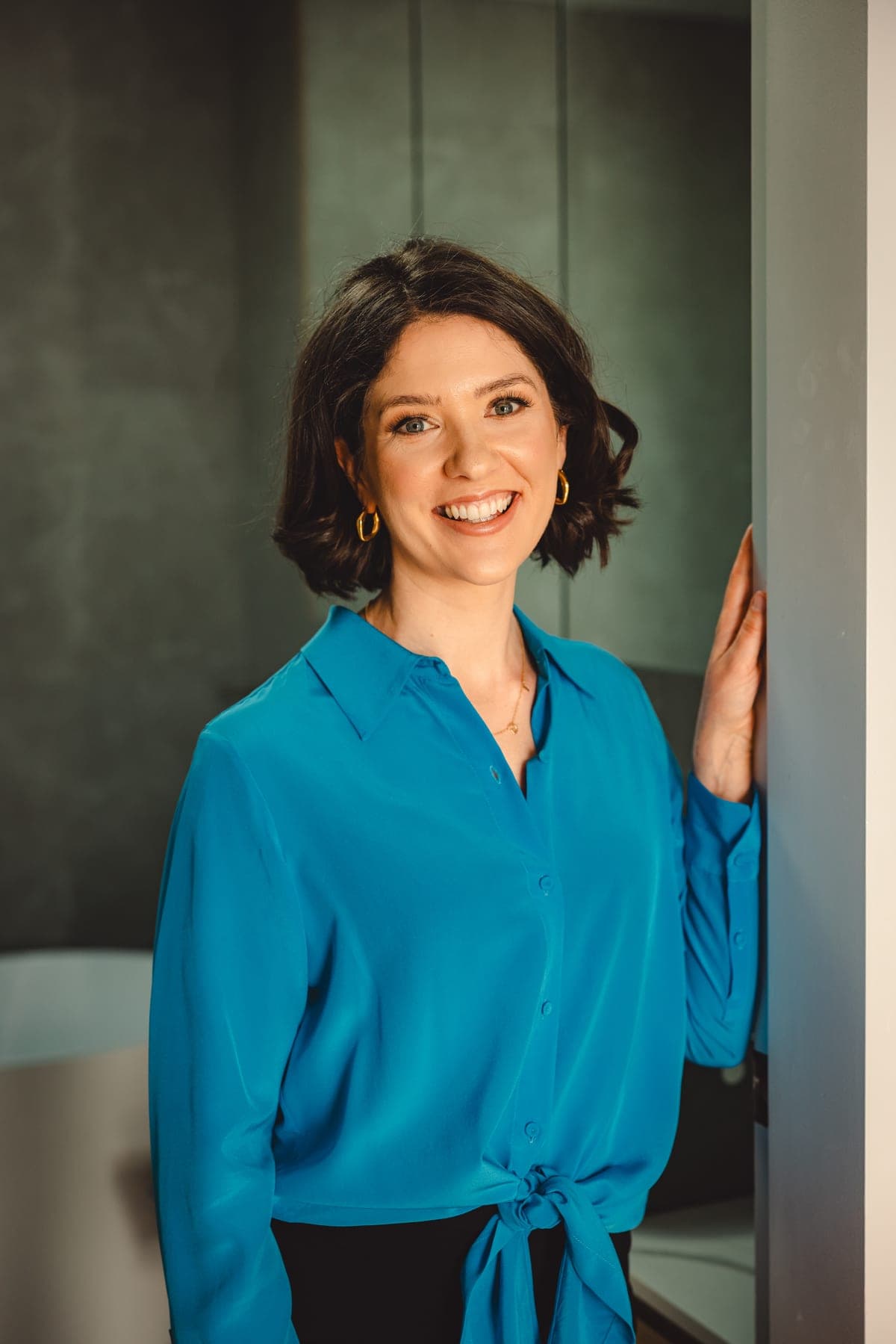
I'm Renee Collins, a Board Certified Behaviour Analyst (BCBA), Specialist Positive Behaviour Support Practitioner and Developmental Educator, mum of two, and founder of Super Kids Behavioural Consulting.

I hold a Bachelor of Science and a Master of Autism Studies, and have spent more than 15 years supporting children and families to build practical, meaningful skills for everyday life.

I've worked directly with hundreds of families on toileting goals they set themselves — and most reach at least the minimum goal they were hoping for.

I built Super Kids Toilet Training with one aim: to help as many children as possible become as independent in the bathroom as they can be, because that one skill can open far more doors than its name suggests.

This is where I share the resources, tools and ideas I recommend most to families. Whether you're trying to work out where to start, troubleshoot something that isn't working, or find more individualised support, you'll find a place to begin here.

Education & certifications

BSc

Bachelor of Science

M.Aut. Stud.

Master in Autism Studies

BCBA

Board Certified Behaviour Analyst (international)

PBS

Specialist Positive Behaviour Support Practitioner

Plus AU-specific recognition as a Certified Behaviour Analyst (CBA) and Developmental Educator (DE). What do these letters actually mean?

My mission

Independence opens doors.

Every child should be as independent in the bathroom as they can be. That isn't a small thing — it's the difference between being included or being excluded.

  • More opportunities at school. Mainstream classrooms, kindy, and many extracurricular programs have toileting expectations baked into their enrolment criteria. Independence opens doors that would otherwise close.
  • Fuller participation in the community. Birthday parties, swimming, weekend sports, sleepovers, friends’ houses. The threshold for being included is often, plainly, "can use the bathroom alone."
  • Less social stigma. Children pick up on being managed differently, even when adults try to be subtle. Independence is dignifying — first for the child, then for the family around them.
  • More dignity, autonomy and confidence. Toileting is one of the first major skills a child fully owns. Owning it changes how they move through the day, and how the day moves around them.
  • Lower risk of abuse. Children with disabilities experience abuse — including sexual abuse — at significantly higher rates than their non-disabled peers. Sullivan & Knutson (2000), the largest study to date, put the relative risk at 3.4× for any abuse and 2.2× for sexual abuse; Jones et al. (Lancet, 2012) confirmed the pattern across 17 countries. One of the documented mediating factors is the number of caregivers involved in a child’s intimate care. Bathroom independence directly reduces that exposure. This is one of the reasons the program is built neurodiverse-first from day one, not bolted on later.

We can't make every child fully independent — some kids will need lifelong intimate-care support, and that work is dignified too. But we can help every child be as independent as possible, calmly and without shame. That's the goal of every program on this site.

How I work

Three commitments.

Evidence first.

Every recommendation links back to peer-reviewed research or a clinical practice guideline you can read. If I can’t show you the source, I shouldn’t be giving you the advice.

Anti-shame, always.

Toileting is not a parenting test, and your child isn’t behind a curve someone made up. We start where you are. The diary tells us what’s happening; the plan adjusts to that — not to a generic milestone.

Neuro-affirming.

For autistic kids and other neurodiverse kids, the program adapts. We don’t ask kids to mask their way through training. Sensory profile, communication needs, and pacing all flow into the recommendations.

Plain-English credentials

What do BCBA, PBS, DE actually mean?

Most parents have never met a Board Certified Behaviour Analyst. Here's what each one is and why it matters when someone is giving you toileting advice.

M.Aut.Studies — Master in Autism Studies

A research-grade postgraduate qualification specific to autism. Covers diagnostic criteria, neurodiversity frameworks, communication and language differences, sensory processing, behaviour support, and family-led program design. It’s why this program is built neurodiverse-first.

BCBA — Board Certified Behaviour Analyst (international)

Issued by the Behavior Analyst Certification Board (US-based, internationally recognised). Requires a Master’s-level degree, 1500+ supervised practice hours, and a board exam. BCBAs are trained to design programs that change behaviour using evidence-based methods — which is exactly what toilet training is.

PBS — Specialist Positive Behaviour Support Practitioner

Recognised under the NDIS Quality and Safeguards Commission. PBS practitioners design supports that reduce behaviours of concern by changing the environment and teaching new skills, rather than relying on punishment. The framework is exactly what toileting needs: low-pressure, skill-building, dignity-preserving.

CBA — Certified Behaviour Analyst (Australia)

The Australian recognition for behaviour analysts. Lets me practice within Australian frameworks for behaviour support, including under the NDIS and in school settings.

DE — Developmental Educator

An Australian qualification specific to working with children with developmental delay, intellectual disability, autism and other neurodiversity. Developmental Educators are recognised allied health professionals in Australia, and have NDIS-registered scope.

15+ years of practice

What I've been doing all this time.

Clinical

15+ years

Direct work with families navigating autism, intellectual disability, developmental delay and behaviour challenges — across early intervention, school years and adolescence.

Toileting specifically

200+ families

Designed and supervised toileting programs for families across the spectrum — typically developing children, ASD level 1–3, Down syndrome, cerebral palsy, stool withholding, encopresis.

Outcomes

Goals you set, met

Programs are measured against the goals families set themselves — not generic milestones. Most families reach at least their minimum goal within 4–12 weeks, and many surpass their stretch goal.

Settings

Home, school, daycare, telehealth

I work where parents actually need it — in family homes, with daycare and preschool teams, inside school behaviour support plans, and via telehealth across Australia.

International reach

AU + abroad

The BCBA credential is internationally recognised. The program — and 1:1 telehealth — is open to families outside Australia, with content adapted for school-system differences.

Specialisation

Autism & developmental delay

My Master in Autism Studies and more than 15 years of ABA practice mean the program is built neurodiverse-first. Typically developing children benefit from the same calm, structured approach.

How we work together

Working with me one-on-one.

Every family I take on gets a tailored, one-to-one program — in-person, by telehealth, or as a quick consult if you just need a second opinion or a plan refresh.

A full program starts with an in-depth parent or carer meeting, a tailored plan written specifically for your child, daily data review, and weekly telehealth check-ins over six weeks — with the option to extend depending on what your child needs. In-person visits are available within Sydney, Australia; telehealth is open to families elsewhere (English).

Begin working with me →

Who this is for

  • Any family ready to start toilet skill development, simple or complex
  • Children with complex medical or developmental profiles
  • Families who’ve tried other approaches without progress
  • NDIS-funded behaviour support including toileting goals
  • Daycare or school staff who need a coordinated plan
Press & talks

Trusted by clinicians, not just parents.

When Australian doctors want a refresher on toileting, I'm on the panel.

Podcast · Healthed CPD for clinicians

Toilet Training Troubles in Kids: Readiness, Refusal, and When to Refer

A clinical discussion on Healthed — Australia's leading continuing-professional- development platform for GPs, paediatricians, nurse practitioners and other healthcare professionals — covering the readiness signs that actually predict success, what to do when a child refuses, and the red flags that warrant a referral.

Listen on Healthed →
More appearances

Coming soon.

Other podcasts, parenting summits, and articles will land here as they air.

Ready when you are.

The pre-screener takes five minutes and is free. No card. No obligation.